
Cargo Lift: The Ultimate Solution for Efficient Material Handling
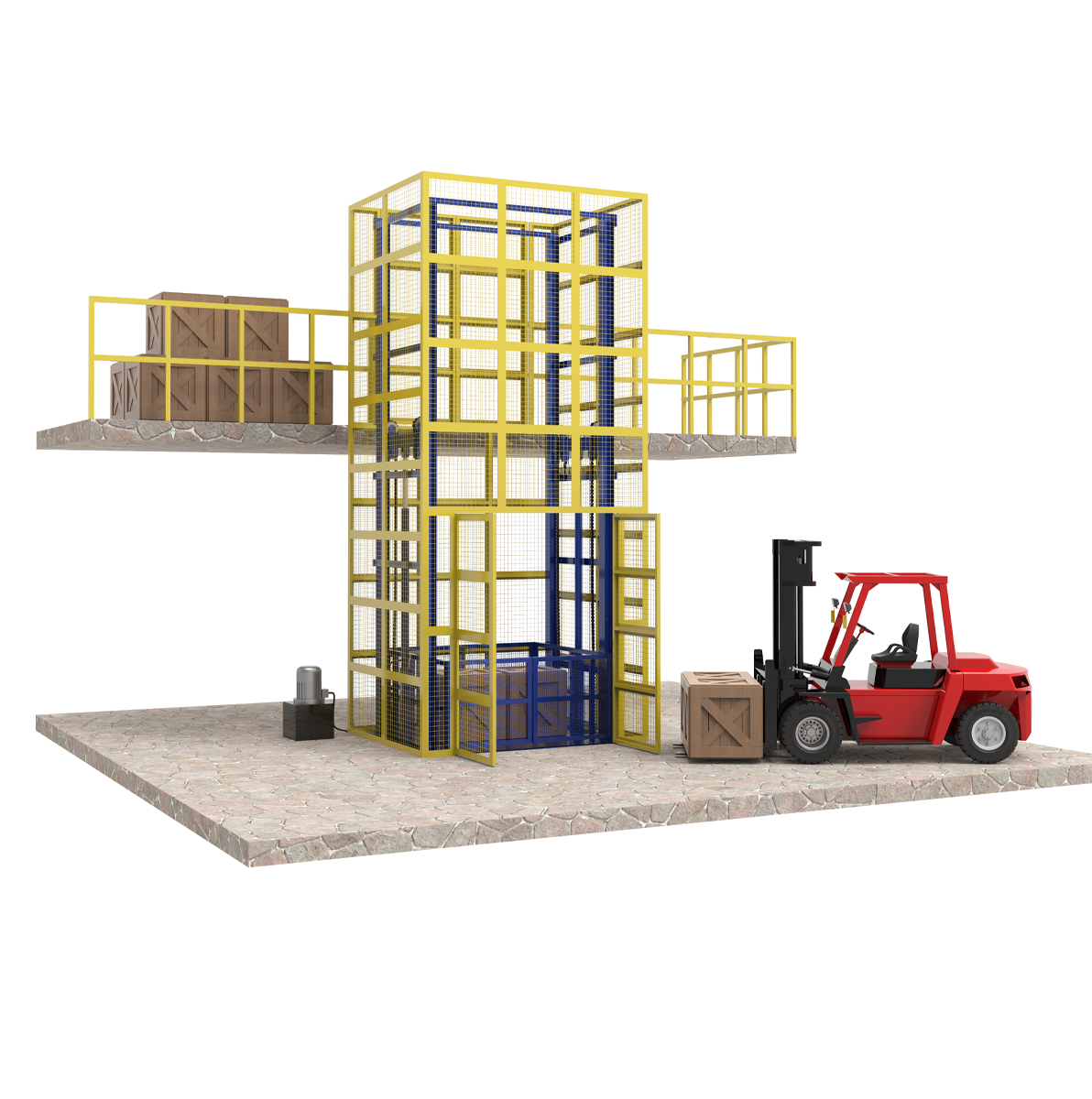
Cargo Lift: The Essential Solution for Efficient Material Handling
In today’s fast-paced industrial and commercial environments, cargo lifts have become an essential part of efficient material handling and vertical transportation. Whether in warehouses, factories, logistics centers, or retail stores, a reliable cargo lift system can significantly improve productivity, safety, and space utilization.
1. What Is a Cargo Lift?
A cargo lift, also known as a freight elevator or goods lift, is a mechanical lifting platform designed to move heavy materials, goods, or pallets vertically between different floors. Unlike passenger elevators, cargo lifts are engineered with a stronger structure, larger platform size, and higher load capacity to meet the demands of industrial use.
They can be powered by hydraulic systems, electric motors, or screw-driven mechanisms, depending on the application and installation environment.
2. Advantages of Using a Cargo Lift
Implementing a cargo lift in your business operations offers multiple advantages:
Improved Efficiency: Move goods quickly between floors without manual lifting or forklifts.
Safety & Reliability: Equipped with safety locks, overload protection, and anti-fall systems to ensure secure operation.
Space Saving: Vertical transport eliminates the need for ramps or large handling areas.
Customization: Available in various sizes, load capacities, and configurations to fit warehouses, factories, and mezzanines.
Cost-Effective: Lower maintenance costs compared to conventional elevators while providing robust performance.
3. Types of Cargo Lifts
There are several types of cargo lifts to suit different industries and installation requirements:
Hydraulic Cargo Lift: Ideal for heavy-duty applications, providing smooth and stable lifting with minimal noise.
Guide Rail Lift Platform: Commonly used in warehouses and workshops with limited space; easy to install and maintain.
Fixed Scissor Lift: Offers a stable lifting mechanism for ground-level to upper-floor transfer.
Wall-Mounted Goods Lift: Saves space and can be installed alongside existing walls or racks.
4. Applications of Cargo Lifts
Cargo lifts are widely used in various sectors:
Warehouses and Logistics Centers – For loading and unloading pallets, crates, and materials.
Factories and Workshops – To move raw materials or finished products between floors.
Shopping Malls and Supermarkets – For stock and goods transfer from storage areas to retail floors.
Hotels and Restaurants – To transport food, equipment, or cleaning supplies efficiently.
5. Why Choose a Professional Cargo Lift Manufacturer
When selecting a cargo lift, it’s crucial to choose a reliable manufacturer that provides high-quality products, professional installation, and after-sales service. A professional supplier ensures compliance with international safety standards, such as CE certification, and offers custom design solutions based on your site conditions.
6. Conclusion
A cargo lift is more than just a lifting tool—it’s a vital investment for businesses that aim to enhance efficiency, safety, and workflow management. Whether you operate a warehouse, a factory, or a commercial facility, integrating a well-designed cargo lift system can dramatically improve your daily operations and overall productivity.
If you’re looking for a durable and efficient cargo lift solution, contact our expert team today to learn more about our range of hydraulic cargo lifts, goods lifts, and freight elevators customized for your needs.