
Container Unloading Platform: Improve Warehouse Efficiency and Safety in Container Handling
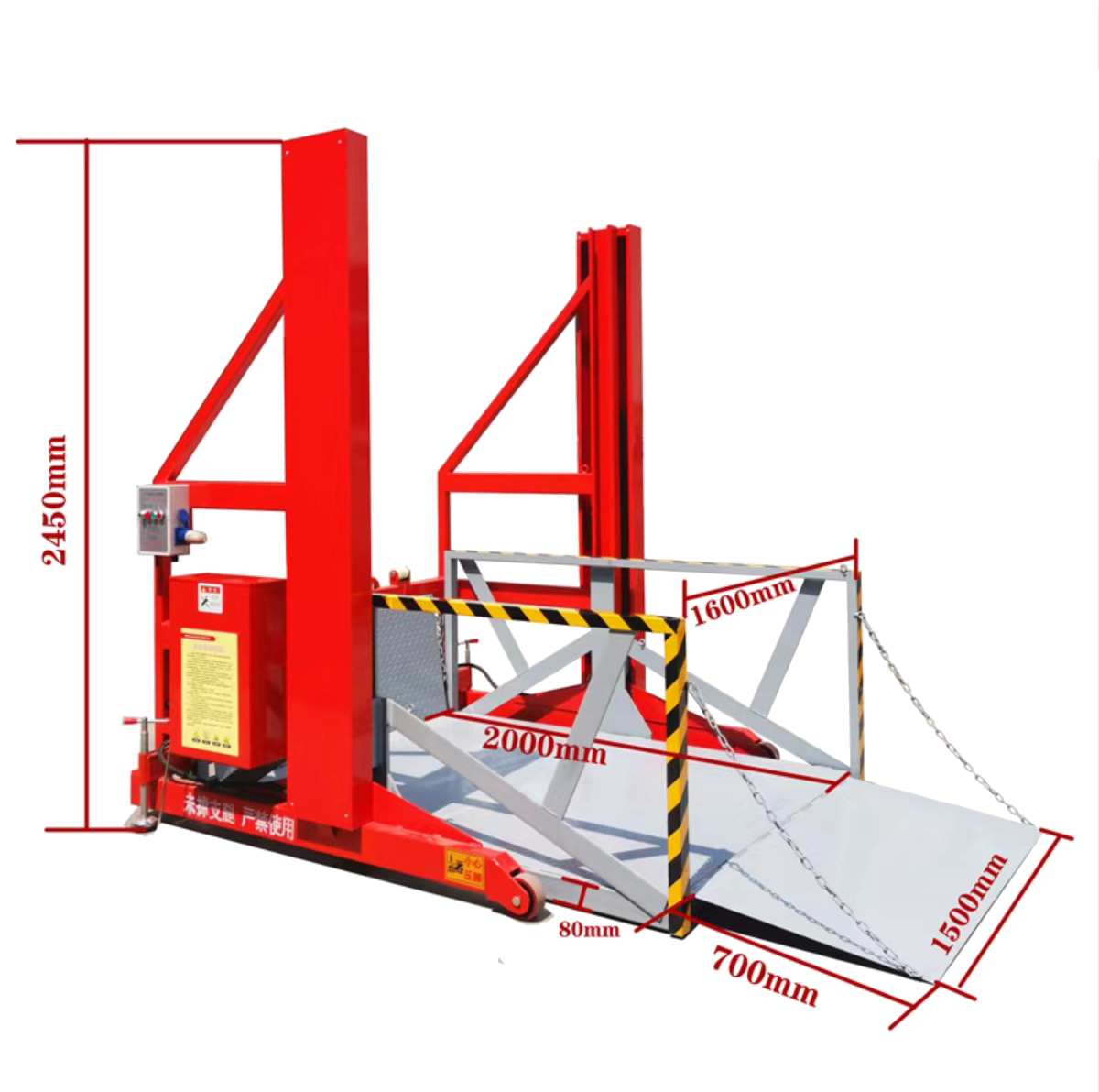
Container Unloading Platform: Boosting Efficiency in Global Logistics Operations
In the modern logistics industry, container unloading platforms have become an essential piece of equipment for efficient and safe cargo handling. As global trade continues to expand, businesses are seeking smarter, faster, and safer ways to unload goods from shipping containers. A container unloading platform provides a practical solution that enhances both productivity and workplace safety.
1. What Is a Container Unloading Platform?
A container unloading platform, also known as a container loading ramp or dock ramp, is a heavy-duty steel structure designed to bridge the height difference between trucks, containers, and warehouse floors. It allows forklifts or pallet jacks to easily move goods in and out of containers, saving significant manual labor time.
These platforms are typically made from high-strength steel, equipped with anti-slip surfaces, adjustable height mechanisms, and hydraulic systems to ensure stable and safe operation in all working conditions.
2. Key Advantages
-
High Efficiency: Enables fast loading and unloading of containers, improving logistics turnaround time.
-
Enhanced Safety: Equipped with side rails, safety chains, and anti-slip flooring to prevent accidents during operation.
-
Easy Operation: Hydraulic lifting systems make height adjustment simple and quick for different container or truck levels.
-
Durable Structure: Built with heavy-duty welded steel and treated with anti-rust coating, ensuring long service life.
-
Flexible Mobility: Available in stationary or mobile types for different site applications.
3. Applications Across Industries
The container unloading platform is widely used in:
-
Logistics Centers and Warehouses – For efficient truck and container loading/unloading.
-
Factories and Workshops – To handle raw materials and finished goods movement.
-
Ports and Freight Yards – Ideal for heavy cargo transfer between containers and ground.
-
Distribution Centers and Retail Warehouses – Speeds up large-scale goods handling operations.
4. Choosing the Right Platform
When selecting a container unloading platform, key factors to consider include:
-
Load capacity and platform size
-
Hydraulic system type (manual or electric)
-
Mobility (fixed or portable)
-
Surface treatment and anti-slip design
-
Safety accessories and maintenance requirements
Choosing a professional manufacturer ensures compliance with international safety standards and long-term reliability.
5. Conclusion
A container unloading platform is more than just a logistics accessory—it’s a vital investment that helps companies improve efficiency, safety, and cost control. With the growing demand for faster logistics and smarter operations, integrating a robust container unloading system can give your business a clear competitive advantage in global trade.