
When it comes to vertical transportation of goods in warehouses, factories, logistics centers, and other industrial environments, guide rail cargo lifts have become one of the most reliable and cost-effective solutions. Unlike traditional elevators, these lifts are designed specifically for heavy-duty material handling, offering excellent stability, durability, and efficiency. However, with many models and specifications available on the market, choosing the right guide rail cargo lift requires careful consideration. Below are the key factors that businesses should evaluate before making a decision.
1. Load Capacity Requirements
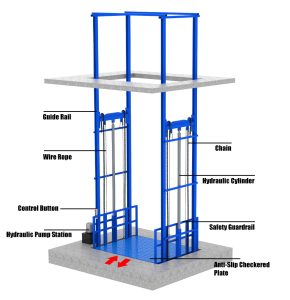
The first and most important factor to consider is the weight capacity. Guide rail cargo lifts are typically designed to handle loads ranging from 500 kg to more than 10 tons. Businesses should carefully analyze their daily material handling needs and choose a lift with sufficient capacity to avoid overloading. It is also wise to plan for future growth—selecting a slightly higher capacity than current needs ensures the lift remains practical as business operations expand.
2. Platform Size and Design
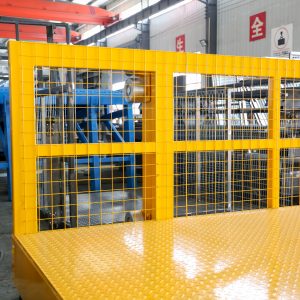
The platform size must match the dimensions of the goods being transported. For example, warehouses dealing with bulky pallets or machinery may require larger platforms, while smaller facilities may prefer compact models. Some manufacturers offer customized platform designs to accommodate specific materials or space constraints. Safety rails, anti-slip flooring, and reinforced structures should also be part of the consideration.
3. Vertical Lifting Height
Every building has unique structural requirements. Guide rail cargo lifts can be customized to reach different lifting heights, from a few meters to several floors. Buyers should measure the exact vertical distance between floors and ensure the lift is designed for that specification. Additionally, the number of stops and floor access points should be determined in advance to ensure smooth operations.
4. Structural Support and Installation Space
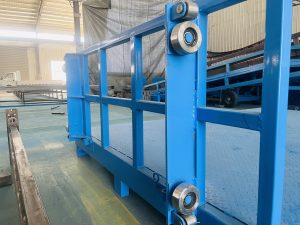
Unlike passenger elevators, guide rail cargo lifts rely on steel guide rails fixed to the building structure. Therefore, the installation site must be evaluated to confirm whether walls or an independent steel frame can support the lift. Space planning is essential—some facilities may require pitless installation, while others may allow for a recessed pit to create a flush loading surface. Consulting with a professional supplier or engineer will help determine the best configuration.
5. Power System and Control Options
The hydraulic system is the core of a guide rail cargo lift, providing the lifting force. Buyers should check for high-quality hydraulic pumps, cylinders, and motors that guarantee smooth, stable, and energy-efficient performance. Control systems can also vary: from basic push-button controls to advanced automated options. For safety and convenience, emergency stop buttons, limit switches, and overload protection should always be included.
6. Safety Features
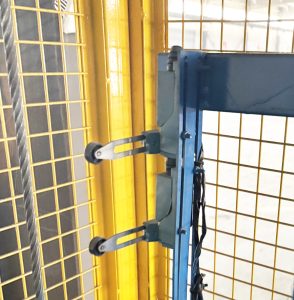
Safety is a top priority in material handling. A professional guide rail cargo lift should come with multiple safety mechanisms, such as:
-
Overload protection devices
-
Emergency lowering systems
-
Door interlocks to prevent accidents
-
Safety nets or enclosures around the lift shaft
-
Alarm systems in case of malfunction
These features not only protect operators but also extend the life of the equipment.
7. Manufacturer Reliability and After-Sales Support
Purchasing a cargo lift is a long-term investment. It is important to select a reputable manufacturer with a proven track record of delivering high-quality equipment. Look for companies that provide certifications, clear installation guidance, and professional after-sales support. Regular maintenance services, availability of spare parts, and prompt technical assistance will reduce downtime and maximize productivity.
8. Cost Considerations and ROI
While price is always a factor, businesses should not make decisions based solely on cost. A cheaper lift with poor durability may result in frequent repairs and downtime, which increases long-term expenses. Instead, companies should evaluate the return on investment (ROI) by balancing initial cost, operational efficiency, energy consumption, and maintenance requirements.
9. Customization and Flexibility
Every facility has unique challenges. The ability to customize lift specifications—including load capacity, platform design, lifting speed, and safety features—ensures that the lift is perfectly aligned with operational needs. Many reliable manufacturers provide tailored solutions for warehouses, factories, supermarkets, and even residential buildings requiring goods movement.
Conclusion
Selecting the right guide rail cargo lift is not a simple purchase—it is a strategic decision that impacts workplace efficiency, safety, and long-term operating costs. By carefully evaluating load requirements, platform dimensions, lifting height, installation space, hydraulic systems, and safety features, businesses can ensure they invest in equipment that delivers reliable performance for years to come. Partnering with a trusted manufacturer that offers strong after-sales service further guarantees smooth operations and peace of mind.
In today’s competitive business environment, efficient material handling is more important than ever. A well-chosen guide rail cargo lift not only improves productivity but also enhances workplace safety, reduces labor costs, and contributes to overall operational success.